
U.S. REP. Emily Randall is pressing federal regulators to reconsider marijuana drug-testing for transportation workers, arguing that current rules punish legal, off-duty conduct without measuring on-the-job impairment.
The Washington state Democrat raised the issue at a “member day” hearing before the House Transportation and Infrastructure Committee in February 2026 and tied it to broader federal cannabis reform efforts now gaining momentum in the U.S. Capitol. She focused on her state’s ferry system, where staffing shortages have become acute.
Even as more states legalize recreational use and the White House moves toward rescheduling marijuana, the Department of Transportation continues to require strict drug testing for safety-sensitive workers — rules that apply nationwide and override state marijuana laws. Speaking during the hearing, Randall urged the DOT and the
Department of Justice to consider “relaxing” drug testing standards that disqualify workers for marijuana use outside work hours.
Randall emphasized that she was not calling for weaker safety standards.
Instead, she suggested agencies explore more targeted approaches that ensure workers are not impaired while on duty, while recognizing the realities of lawful off-duty cannabis use in legal states.
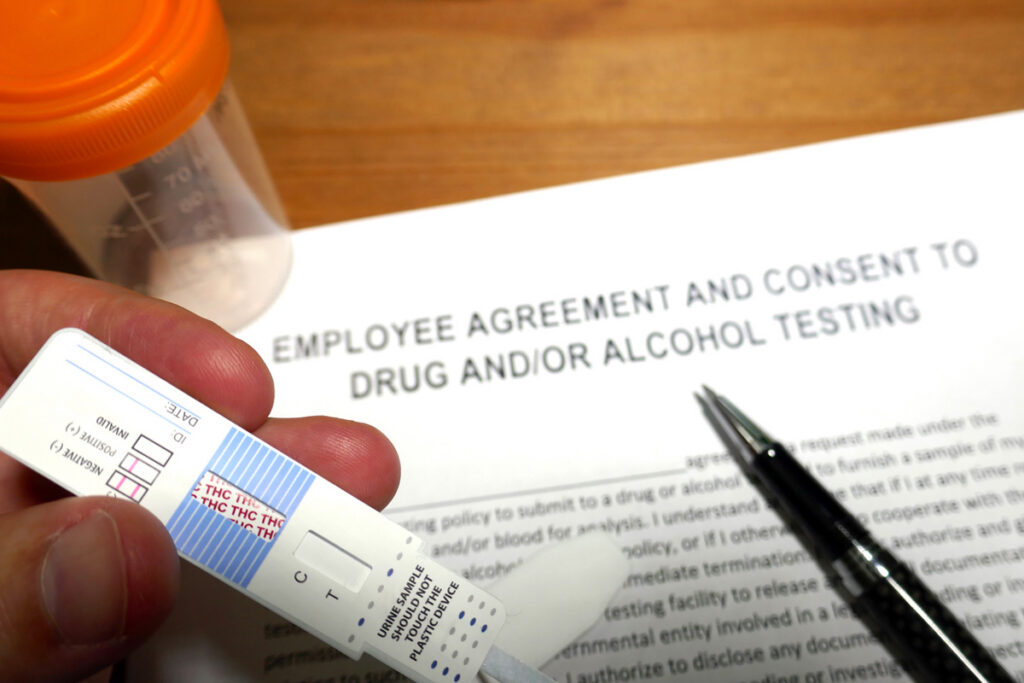
Current tests used to comply with DOT rules detect THC metabolites, not impairment.
As a result, someone who uses cannabis on personal time may test positive days or even weeks later — long after any psychoactive effects have passed.
Federal regulations require drug testing workers in safety-sensitive transportation positions, including:
- Truck drivers,
- Pilots,
- Rail operators and
- Maritime workers.
- The likely scenario
Randall is sponsoring legislation that would move cannabis from Schedule 1 to Schedule 3 under the Controlled Substances Act, a change that would acknowledge accepted medical use and lower federal restrictions.
The proposal aligns with statements from President Trump, who said last month that he would issue an executive order directing his administration to begin the rescheduling process.
Even if cannabis is rescheduled, however, transportation employers should not expect immediate regulatory relief.
DOT officials have repeatedly stressed that marijuana testing requirements remain fully in effect, regardless of state legalization or federal scheduling changes. Under current rules, marijuana is listed by name as a prohibited substance for safety-sensitive positions.
Also, the law on drug testing, the Omnibus Transportation Employee Testing Act, does not hinge on drug schedules. Scheduling alone would not compel DOT to revise its testing protocols.
Recent DOT guidance has reiterated that nothing has changed yet, while also saying the department will continue to monitor the rescheduling process and provide updates as appropriate. That language leaves open the possibility — though not a promise — of future policy review if federal cannabis law evolves.